
About the Curation for All: Education Tools for Health and Equity Project
Focus: Abolition Medicine & Disability Justice
-
The Abolition Medicine and Disability Justice Project conducts social and institutional mapping on key health equity issues through the lenses of disability justice and abolition medicine. We develop curricula and collective trainings, build health humanities pipelines for undergraduate, medical, and graduate students, and engage public audiences by sharing our findings and educational modules.
-
The University of California Multi-Campus Project: A three-year project funded by UC’s Office of the President as a Multi-Campus Research Award. Collaborators on the larger “Abolition Medicine and Disability Justice” award include UC Irvine, UCLA, UC Riverside, UC Santa Cruz, and UCSF.
-
The project aims to initiate structural transformation across the UC system through community-engaged research, curriculum development, and training in the fields of health humanities and disability studies among undergraduate, graduate, and medical school students.
Curation for All is a collaborative initiative that expands how disability experience is curated, taught, and shared in educational spaces. The project approaches disability literature and archival work not simply as academic study, but as a practice of collective reflection that transforms the classroom into a space of joyful and compassionate communion with the past. By curating texts, testimonies, and cultural materials rooted in disability experience, the project invites students to recognize forms of embodied knowledge that challenge the alienated and impersonal relationship many encounter within contemporary biomedicine.
Drawing inspiration from disability justice and health humanities traditions, Curation for All foregrounds the power of collective learning and care. As Audre Lorde writes in The Cancer Journals, meaningful happiness emerges not from individual success but from shared work confronting health inequities together: “The only really happy people I have ever met are those of us who work against these deaths with all the energy of our living….” This ethos guides the project’s commitment to building spaces where students, scholars, and community members engage disability histories and narratives as living archives—sources of knowledge that illuminate both structural harms and possibilities for collective care.
The project operates as part of the broader Abolition Medicine and Disability Justice Project, which brings together disability studies, health humanities, and abolitionist frameworks to re-frame health equity research and pedagogy. Through interdisciplinary collaboration, the initiative examines both the frictions and alignments between locally identified health equity challenges and community reimaginings of care.
Our work includes:
Social and institutional mapping of health equity issues across participating UC campuses and surrounding communities
Community-engaged research that centers lived experience and local knowledge
Collective trainings in multidisciplinary data collection and analysis
Development of eight Health Humanities course modules for undergraduate, graduate, and medical students
Pipeline-building for collaborative training across educational levels
Public dissemination through workshops, performances, publications, and community partnerships
Community participation is foundational to the project; as a result, we facilitate advisory boards that include community members, create research opportunities for students, and amplify creative and scholarly work that re-imagine care.
Our Project:
The University of California Multi-Campus Project
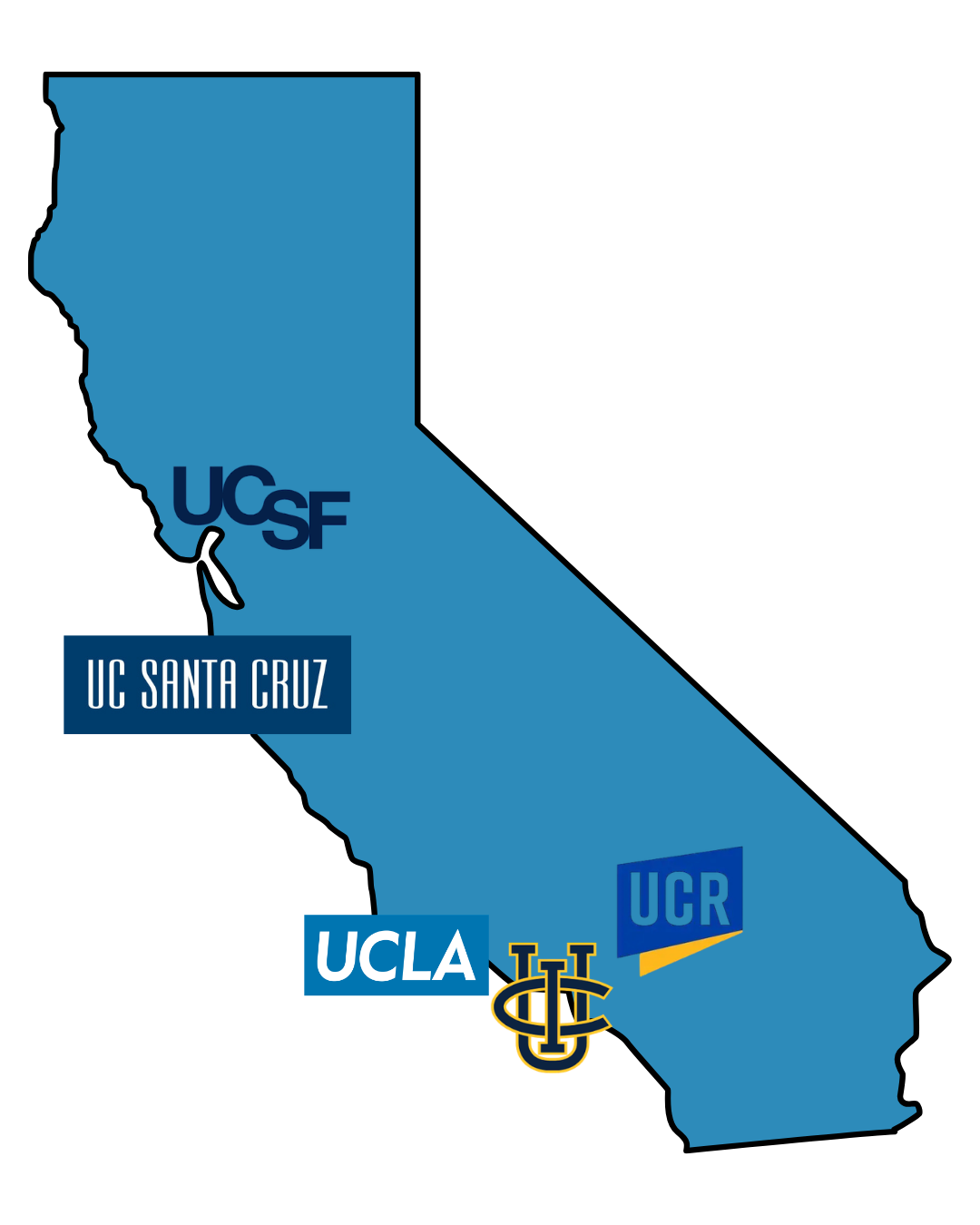
This three-year initiative is funded by the University of California Office of the President as a Multi-Campus Research Award ("Abolition Medicine and Disability Justice" Grant ID: M23PR5992).
Collaborating campuses include:
University of California, Irvine (UCI)
University of California, Los Angeles (UCLA)
University of California, Riverside (UCR)
University of California, Santa Cruz (UCSC)
University of California, San Francisco (UCSF)
Primary Investigator: Juliet McMullin, PhD
Co-Primary Investigators: James Lee, PhD; Candice Taylor Lucas, MD, MPH; Fuson Wang, PhD; Carla Mazzio, PhD; Matthew King, PhD; Megan Moodie, PhD; Helen Deutsch, PhD; Rachel Lee, PhD; Brian Dolan, PhD
Why This Project Is Necessary:
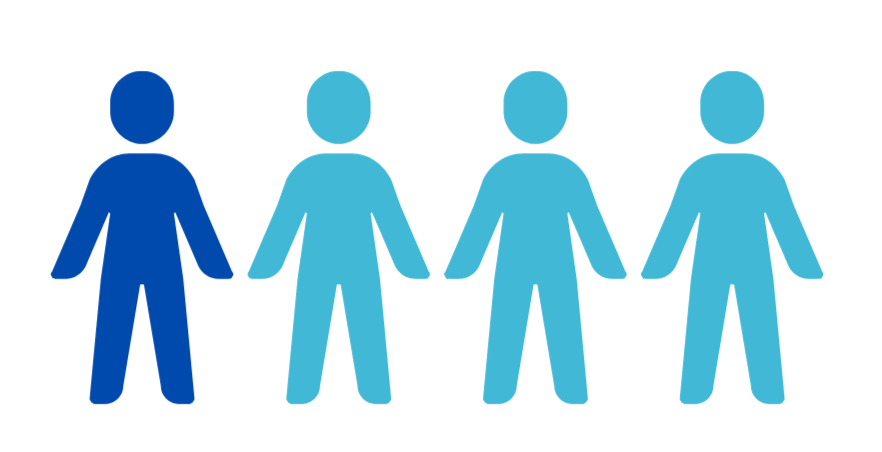
About 1 in 4 incarcerated individuals report cognitive disabilities such as autism, Down syndrome, or learning disorders. (Prison Policy Initiative, n.d.)

People with disabilities are disproportionately represented throughout the criminal legal system, including in jails, prisons, probation, and parole.
People with disabilities are disproportionately represented throughout the criminal legal system, including in jails, prisons, probation, and parole.
While approximately 15% of the U.S. population has a disability (1), research estimates that between 40% and 66% of incarcerated people report at least one disability (2,3).
This over-representation reflects a long history of criminalizing, segregating, and institutionalizing disabled people.